
Business Network Security: A Comprehensive Framework for Protecting Modern Enterprises
Introduction to Business Network Security
Business network security is a foundational pillar of modern enterprise operations. As organizations increasingly rely on interconnected systems, cloud platforms, remote workforces, and data-driven processes, securing business networks has become a strategic imperative. We operate in an environment where cyber threats are persistent, sophisticated, and financially motivated. Protecting corporate networks is no longer a technical afterthought; it is a core business function that safeguards continuity, reputation, compliance, and customer trust.
Business network security encompasses policies, technologies, processes, and controls designed to protect the integrity, confidentiality, and availability of enterprise networks and the data they transmit. A robust security posture ensures that internal systems, external connections, users, and digital assets remain protected against unauthorized access, data breaches, malware, ransomware, and advanced persistent threats.
Core Components of Business Network Security
Network Infrastructure Protection

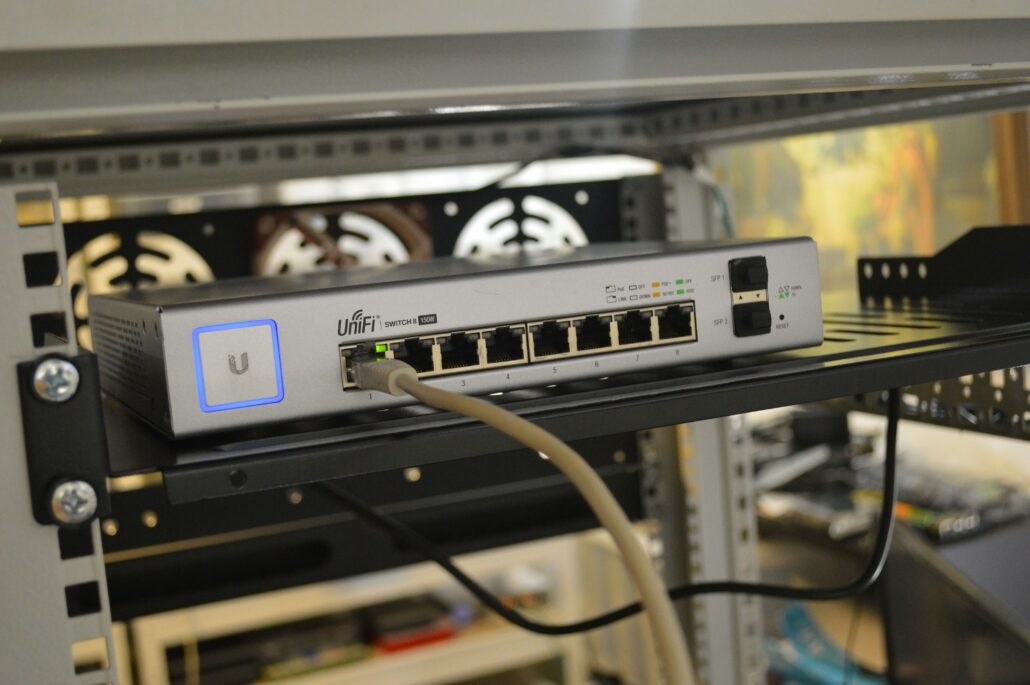
Network infrastructure security focuses on protecting routers, switches, firewalls, wireless access points, and gateways that form the backbone of enterprise connectivity. We implement hardened configurations, secure firmware, role-based access control, and continuous monitoring to reduce exposure to vulnerabilities.
Key measures include:
- Secure device configuration baselines
- Network segmentation and isolation
- Redundant architectures for resilience
- Continuous performance and threat monitoring
A well-protected infrastructure minimizes attack surfaces and ensures operational stability across the organization.
Firewall and Perimeter Security
Firewalls remain a critical defense mechanism in business network security. Modern enterprises deploy next-generation firewalls (NGFWs) that go beyond basic packet filtering to provide application awareness, intrusion prevention, and deep packet inspection.
Perimeter security strategies include:
- Stateful and application-layer firewalls
- Intrusion detection and prevention systems (IDS/IPS)
- Geo-blocking and traffic filtering
- Secure demilitarized zones (DMZs)
These controls establish a controlled boundary between trusted internal networks and untrusted external environments.
Network Segmentation and Zero Trust Architecture
Network segmentation limits lateral movement within business environments by dividing networks into isolated zones based on function, sensitivity, or user role. This approach significantly reduces the impact of breaches.
We complement segmentation with Zero Trust Network Access (ZTNA) principles, where no user, device, or system is trusted by default. Every access request is verified continuously based on identity, device health, location, and behavior.
Zero Trust strategies deliver:
- Reduced internal attack surfaces
- Improved access control visibility
- Enhanced protection for critical systems
- Better compliance alignment
Endpoint and Device Security
Securing Endpoints Across the Network
Endpoints represent one of the most exploited entry points into business networks. Endpoint security protects laptops, desktops, servers, mobile devices, and IoT endpoints connected to corporate networks.
Effective endpoint security includes:
- Advanced endpoint detection and response (EDR)
- Antivirus and anti-malware solutions
- Device encryption and secure boot
- Centralized endpoint management
By securing endpoints, we prevent compromised devices from becoming gateways for broader network attacks.
Bring Your Own Device (BYOD) Security
With remote work and flexible policies, BYOD security is essential. We enforce secure access through mobile device management (MDM), containerization, and strict authentication controls to ensure personal devices do not compromise enterprise networks.
Identity and Access Management (IAM)
User Authentication and Authorization
Identity and access management is central to business network security. Strong authentication ensures that only authorized users gain access to network resources.
Critical IAM controls include:
- Multi-factor authentication (MFA)
- Role-based and attribute-based access control
- Privileged access management (PAM)
- Single sign-on (SSO) integration
By tightly controlling identities, we significantly reduce the risk of insider threats and credential-based attacks.
Least Privilege Access Models
We enforce least privilege principles, ensuring users and systems have only the access required to perform their functions. This limits damage potential in the event of compromised credentials.
Data Protection and Encryption
Securing Data in Transit and at Rest
Data protection is a critical outcome of effective business network security. We apply strong encryption standards to protect data both in transit across networks and at rest within storage systems.
Key practices include:
- TLS and IPsec encryption
- Secure VPN connections
- Database and file-level encryption
- Key management and rotation
Encrypted data remains unreadable even if intercepted or accessed unlawfully.
Data Loss Prevention (DLP)
Data loss prevention solutions monitor, detect, and block unauthorized data transfers. These controls protect sensitive business information such as financial records, intellectual property, and customer data from accidental or malicious leakage.
Cloud and Hybrid Network Security
Securing Cloud-Based Business Networks
Modern enterprises increasingly rely on cloud and hybrid network architectures. Business network security must extend seamlessly across on-premises, cloud, and multi-cloud environments.
Cloud security strategies include:
- Secure cloud network configurations
- Cloud-native firewalls and security groups
- Continuous compliance monitoring
- Secure API and service communication
We ensure consistent security policies across all environments to prevent gaps and misconfigurations.
Secure Remote Access and VPNs
Virtual private networks (VPNs) and secure remote access solutions protect data and connections for distributed teams. We implement encrypted tunnels, strong authentication, and access controls to secure remote connectivity without sacrificing performance.
Threat Detection, Monitoring, and Response
Continuous Network Monitoring
Proactive network monitoring enables early detection of suspicious activity. We deploy security information and event management (SIEM) systems to collect, correlate, and analyze network events in real time.
Monitoring capabilities include:
- Anomaly detection
- Behavioral analytics
- Real-time alerting
- Forensic data collection
Incident Response and Recovery
A strong incident response framework ensures rapid containment, eradication, and recovery from security incidents. We maintain documented response plans, defined roles, and tested procedures to minimize business disruption.
Effective response strategies reduce downtime, financial loss, and reputational damage.
Compliance, Governance, and Risk Management
Regulatory and Industry Compliance
Business network security supports compliance with regulations and standards such as ISO 27001, POPIA, GDPR, PCI DSS, and HIPAA. We align security controls with governance requirements to reduce legal and operational risk.
Risk Assessment and Security Audits
Regular risk assessments and security audits identify vulnerabilities, evaluate controls, and guide continuous improvement. This proactive approach ensures that security strategies evolve alongside emerging threats and business growth.
Future Trends in Business Network Security
AI-Driven Network Security
Artificial intelligence and machine learning are transforming business network security by enabling predictive threat detection, automated responses, and intelligent traffic analysis.
Secure Access Service Edge (SASE)
SASE architectures combine networking and security into a unified cloud-delivered model, providing scalable, secure access for modern enterprises.
Conclusion: Building Resilient and Secure Business Networks
Business network security is not a single solution but an integrated framework that protects enterprise operations, data, and reputation. By combining infrastructure protection, identity management, endpoint security, encryption, monitoring, and governance, we create resilient networks capable of withstanding evolving cyber threats.
A strategic, proactive approach to network security enables organizations to operate with confidence, scale securely, and maintain trust in an increasingly connected digital economy. Contact Musato Technologies to learn more about our business network solutions and services.

Author: Alden S. Marwick
Alden S. Marwick is the driving force behind seamless digital ecosystems at Musato Technologies. With a strong background in systems engineering, API architecture, cloud technologies, and enterprise software alignment, Alden ensures that all digital platforms work together efficiently, securely, and intelligently. He specializes in building scalable integration frameworks that support business growth, operational efficiency, and long-term digital transformation. Whether optimizing ERP and CRM communication, automating workflows, or simplifying cross-platform data exchange, Alden brings structure, precision, and innovation to every solution. His work focuses on reducing technical complexity and enabling businesses to operate with clarity and confidence. With a leadership style rooted in methodical analysis and modern technology strategy,