ERP Services: Unlocking Business Growth with Seamless Enterprise Resource Planning
In today’s digital era, Enterprise Resource Planning – ERP services are no longer optional; they are the backbone of organizations aiming to streamline operations, enhance productivity, and achieve sustainable growth. By integrating every aspect of a business—from finance and supply chain to human resources and customer management—ERP systems empower enterprises with real-time insights and operational efficiency.
At Musato Technologies, we provide comprehensive ERP services tailored to meet the unique needs of businesses across industries. Our solutions drive innovation, reduce costs, and deliver a competitive edge in an ever-evolving market.
What Are ERP Services?
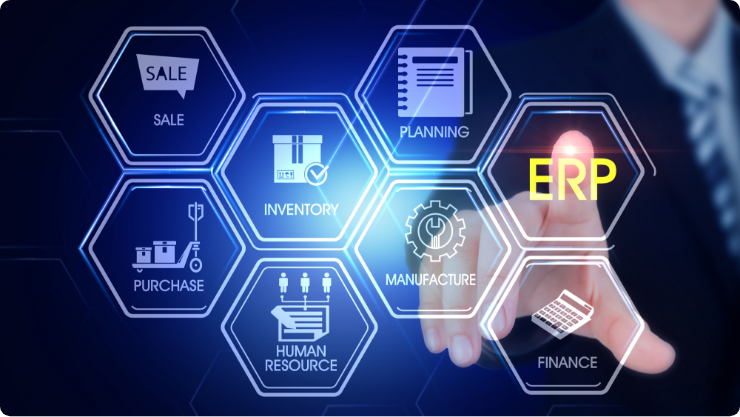
ERP services encompass the design, implementation, customization, and management of ERP systems. These systems centralize organizational processes into a unified platform, enabling seamless communication between departments. With ERP, businesses eliminate data silos, automate workflows, and gain visibility into every function of the enterprise.
ERP services typically include:
- ERP Consultation and Strategy – Aligning ERP capabilities with business objectives.
- ERP Implementation – Deploying ERP systems tailored to organizational needs.
- ERP Customization – Adjusting modules to fit unique industry requirements.
- ERP Integration – Connecting ERP platforms with third-party tools and applications.
- ERP Training and Support – Ensuring teams adapt quickly and systems remain optimized.
- Cloud ERP Solutions – Providing scalable, secure, and cost-effective ERP hosted in the cloud.
The Importance of ERP in Modern Business
Businesses today face increasing challenges—global competition, shifting consumer expectations, and regulatory compliance. ERP services address these challenges by creating a single source of truth for data, enhancing decision-making, and driving operational excellence.
Key benefits of ERP adoption include:
- Improved Efficiency: Automating repetitive tasks reduces errors and frees staff to focus on strategic goals.
- Real-Time Data Access: Managers can make informed decisions based on accurate, up-to-the-minute insights.
- Cost Reduction: Streamlined processes cut overheads and optimize resource allocation.
- Scalability: ERP solutions adapt as businesses expand or diversify.
- Regulatory Compliance: Built-in reporting ensures adherence to legal and industry requirements.
Core Modules of ERP Systems
ERP services provide businesses with customizable modules that align with different functions. Common modules include:
1. Financial Management
Handles accounting, budgeting, expense tracking, and financial reporting. With ERP, finance teams can close books faster, maintain compliance, and monitor cash flow effortlessly.
2. Human Resource Management (HRM)
Streamlines recruitment, payroll, training, performance tracking, and workforce analytics. This module improves employee experience while aligning talent with organizational goals.
3. Supply Chain Management (SCM)
Ensures smooth procurement, inventory management, logistics, and order fulfillment. SCM modules optimize supply chain operations, reduce delays, and enhance vendor collaboration.
4. Customer Relationship Management (CRM)
Manages leads, customer interactions, sales cycles, and after-sales services. Integrated CRM ensures higher customer satisfaction and loyalty.
5. Manufacturing and Production Planning
Supports product lifecycle management, scheduling, and quality control. Manufacturers can reduce downtime and improve product consistency.
6. Business Intelligence (BI) and Analytics
Provides dashboards, predictive analytics, and reporting tools. BI modules empower businesses with actionable insights for strategic planning.
Cloud-Based ERP vs On-Premise ERP
When considering ERP services, businesses often compare cloud ERP and on-premise ERP.
- Cloud ERP: Hosted on remote servers, offering scalability, flexibility, and cost savings. Ideal for businesses that prefer subscription-based models and need global accessibility.
- On-Premise ERP: Installed locally on company servers, offering greater control and customization but with higher upfront costs. Suitable for organizations with strict data security requirements.
Most modern enterprises choose cloud ERP solutions for their affordability, reduced maintenance, and ability to support remote teams.
Industries Benefiting from ERP Services
ERP services cater to multiple industries, each with unique requirements.
- Manufacturing: ERP enhances production scheduling, quality management, and supply chain visibility.
- Retail: Retailers use ERP for inventory optimization, sales tracking, and customer insights.
- Healthcare: Hospitals benefit from ERP by managing patient data, billing, and compliance.
- Construction: ERP ensures smooth project management, budget control, and resource allocation.
- Education: Institutions streamline admissions, course scheduling, and student records management.
- Finance: ERP supports compliance, risk management, and efficient accounting processes.
How ERP Services Drive Digital Transformation
ERP services are central to digital transformation, enabling organizations to shift from outdated manual systems to intelligent automation. By connecting AI, IoT, and cloud technologies, ERP systems provide predictive analytics, real-time performance monitoring, and enhanced collaboration across global teams.
Enterprises embracing ERP experience:
- Faster innovation cycles
- Data-driven strategies
- Enhanced customer engagement
- Agile adaptation to market changes
Steps in ERP Implementation
Implementing ERP is a structured process requiring careful planning and execution.
- Assessment and Strategy – Define business goals and evaluate current systems.
- Vendor Selection – Choose the ERP provider offering the right fit.
- System Design and Customization – Tailor modules to meet industry-specific requirements.
- Data Migration – Transfer legacy data into the ERP platform securely.
- Deployment and Testing – Roll out ERP in stages while resolving technical issues.
- Training and Change Management – Equip employees with the skills to adapt quickly.
- Support and Optimization – Provide ongoing updates and monitoring for system efficiency.
Choosing the Right ERP Service Provider
Selecting the right ERP partner is crucial to success. Look for providers who offer:
- Industry Expertise with a proven track record
- Customizable Solutions tailored to unique business processes
- Scalable Platforms that grow with your company
- Robust Security to protect sensitive data
- Comprehensive Support for long-term optimization
At Musato Technologies, we deliver ERP solutions that combine global standards with localized expertise, ensuring businesses achieve maximum ROI.
Future of ERP Services
The future of ERP is shaped by artificial intelligence, machine learning, blockchain, and advanced analytics. Intelligent ERP systems will predict trends, automate decision-making, and provide unmatched agility for enterprises in the coming years.
Companies investing in next-generation ERP services today will lead tomorrow’s digital economy.
Conclusion
ERP services are the cornerstone of modern enterprises, driving efficiency, visibility, and scalability across industries. By partnering with the right ERP provider, businesses can transform operations, empower employees, and exceed customer expectations. Contact us today to learn more about our ICT solutions and products.