AI Tools for Sales: Transforming the Future of Revenue Generation
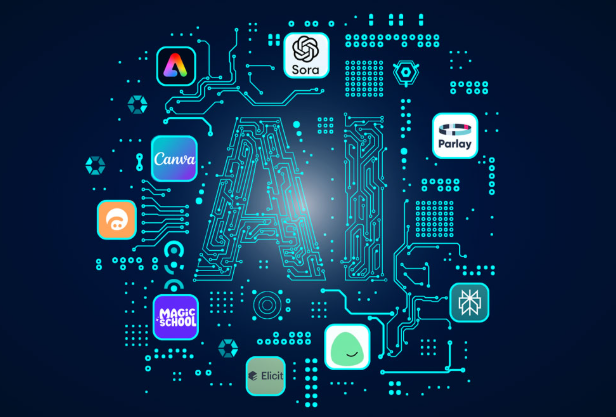
In today’s fast-paced digital economy, Artificial Intelligence (AI) has become a cornerstone in reshaping how organizations sell, engage, and retain customers. Businesses leveraging AI tools for sales are not just keeping up with competition—they’re setting new benchmarks for performance, accuracy, and personalization. At Musato Technologies, we understand that successful sales strategies now hinge on automation, data-driven insights, and predictive intelligence.
The Role of Artificial Intelligence in Modern Sales
Artificial Intelligence is revolutionizing the sales industry by automating repetitive tasks, improving lead qualification, and offering data-backed decision-making. Instead of spending hours manually sorting leads or forecasting sales, teams can now depend on intelligent algorithms that deliver actionable insights within seconds.
Through machine learning and predictive analytics, AI identifies potential buyers, understands their behavior, and recommends the most effective sales approach—making every sales interaction smarter and more profitable.
Top AI Tools Empowering Sales Teams
1. HubSpot Sales Hub
HubSpot Sales Hub integrates AI-powered automation to streamline the entire sales process. With features such as email tracking, lead scoring, and predictive forecasting, it allows teams to focus on high-value activities. The tool’s smart automation eliminates time-consuming manual entries while providing deep insights into customer engagement patterns.
2. Salesforce Einstein
Salesforce Einstein is one of the most advanced AI-driven CRM platforms in the world. It uses natural language processing (NLP) and machine learning to predict customer needs, prioritize leads, and provide personalized recommendations. Einstein automates data entry, scoring, and follow-ups, ensuring sales representatives close deals faster with greater accuracy.
3. Gong.io
Gong.io analyzes sales calls and emails using AI to uncover insights that drive performance improvements. By identifying patterns and key conversation triggers, Gong helps sales leaders understand what top performers do differently and replicate that success across teams. Its conversation intelligence feature has become indispensable for data-driven sales organizations.
4. Drift
Drift brings AI into conversational marketing and sales. Through chatbots and real-time engagement, it qualifies leads, books meetings, and answers customer inquiries instantly. Drift’s AI-driven chat interface ensures potential clients never leave your website without interaction—creating seamless connections that drive conversions.
5. Clari
Clari enhances sales forecasting accuracy using AI-powered data analysis. It consolidates information from various CRM systems, email interactions, and meetings to provide visibility into pipeline health. With predictive insights, Clari helps businesses forecast revenue with confidence and identify risk areas in advance.
6. InsideSales (XANT.ai)
InsideSales uses AI and predictive analytics to optimize communication and engagement strategies. Its Playbooks feature suggests the best time, channel, and messaging approach for each lead. By harnessing millions of data points, it increases sales productivity and conversion rates across industries.
How AI Tools Improve Sales Productivity
The implementation of AI tools in sales enhances productivity through automation, personalization, and strategic forecasting.
1. Lead Qualification and Scoring
AI systems can analyze large volumes of data to identify which leads are most likely to convert. This means your sales team spends more time closing deals and less time chasing unqualified prospects.
2. Predictive Sales Forecasting
AI-based forecasting uses historical data and current market trends to predict future sales outcomes. This gives organizations a clear view of their sales trajectory and helps them plan resources effectively.
3. Enhanced Customer Engagement
AI-driven tools personalize communication across multiple touchpoints. Chatbots, for example, deliver instant responses to customer inquiries, while email automation ensures consistent follow-up with leads based on behavioral triggers.
4. Workflow Automation
By automating repetitive administrative tasks—like data entry, meeting scheduling, and reporting—AI allows sales professionals to focus on strategic activities that directly impact revenue generation.
The Strategic Benefits of Using AI in Sales
1. Data-Driven Decision Making
AI converts raw sales data into meaningful insights, enabling teams to make informed decisions rather than relying on intuition. From identifying customer pain points to optimizing pricing models, every choice becomes evidence-based.
2. Real-Time Insights and Analytics
AI tools continuously monitor customer interactions across digital channels. Real-time dashboards give sales teams immediate access to metrics such as conversion rates, engagement levels, and buying intent—helping them adjust strategies instantly.
3. Personalized Sales Approach
Modern buyers expect tailored experiences, and AI delivers just that. By analyzing a customer’s past interactions, preferences, and purchase history, AI recommends personalized offers and messages that drive stronger emotional connections.
4. Cost Efficiency
AI reduces the cost of sales operations by automating manual tasks, improving team performance, and increasing the lifetime value of customers. The return on investment (ROI) for AI-powered sales platforms often surpasses traditional CRM systems.
Implementing AI Sales Tools: Best Practices
To get the most out of AI tools, businesses should follow a strategic approach during implementation.
1. Integrate with Your CRM
Ensure seamless integration between AI platforms and existing CRM systems to maintain consistent data flow and eliminate silos.
2. Train Your Sales Team
Educate sales representatives on how to interpret AI insights and use them for better decision-making. Human expertise combined with AI intelligence creates unmatched efficiency.
3. Start Small and Scale
Begin by automating simple processes like lead scoring and reporting before moving to complex predictive analytics. This ensures smooth adoption and minimal disruption.
4. Monitor and Optimize
Regularly review AI-driven insights and adjust strategies based on performance data. AI models improve over time as they learn from new data patterns.
The Future of AI in Sales
As AI continues to evolve, sales will become more predictive, autonomous, and customer-centric. Future tools will anticipate buyer needs before they arise, automate negotiations, and even draft proposals customized for individual prospects. Businesses that invest early in AI-driven sales transformation will dominate their markets through agility, precision, and unparalleled customer experiences.
At Musato Technologies, we believe that embracing AI is not just a competitive advantage—it’s a business necessity. Our solutions empower sales teams to achieve operational excellence while building meaningful customer relationships powered by intelligence and automation.
Conclusion
AI tools are redefining what’s possible in the sales landscape. From smarter lead scoring to personalized engagement and accurate forecasting, they enable sales teams to operate faster, smarter, and with greater impact. Companies that harness the power of AI are not only increasing revenue but also creating sustainable growth through innovation.
Artificial Intelligence for sales is more than a trend—it’s the future of customer acquisition and retention. Contact Musato Technologies to learn more about our ICT services and solutions.